

The Short Answer: You Can Usually Shop Early, But Booking Requires Caution
If you are expecting temporary duty travel, it is natural to start looking for housing before the final version of your TDY orders appears. Training dates may be discussed by your unit, a schoolhouse may provide tentative reporting windows, or a supervisor may tell you to expect travel before the paperwork is fully released. In many high-demand markets, waiting until the last minute can mean fewer furnished rentals, longer commutes, or higher out-of-pocket stress. That is why the question matters: can you book a furnished rental before TDY orders are finalized?
In practical terms, you can research options, compare neighborhoods, ask about availability, and even request a quote before final orders are issued. The risk begins when you commit money, sign a rental agreement, or use your Government Travel Card before the authorization is approved. A furnished rental can be a strong choice for comfort, privacy, cooking, laundry, and longer stays, but it still needs to fit within the travel rules that apply to your specific orders, duty location, dates, and approving official.
The safest approach is to treat early booking as a staged process. You gather information first, confirm that the rental can provide the documentation needed for DTS, and ask the host how date changes or cancellations are handled. Then, once your travel authorization is approved or your command gives clear guidance, you move from planning to committing. TDY Hero helps military travelers find furnished rentals that are built around TDY needs, but the traveler still needs to align the reservation with official orders, DTS authorization, and local lodging guidance.
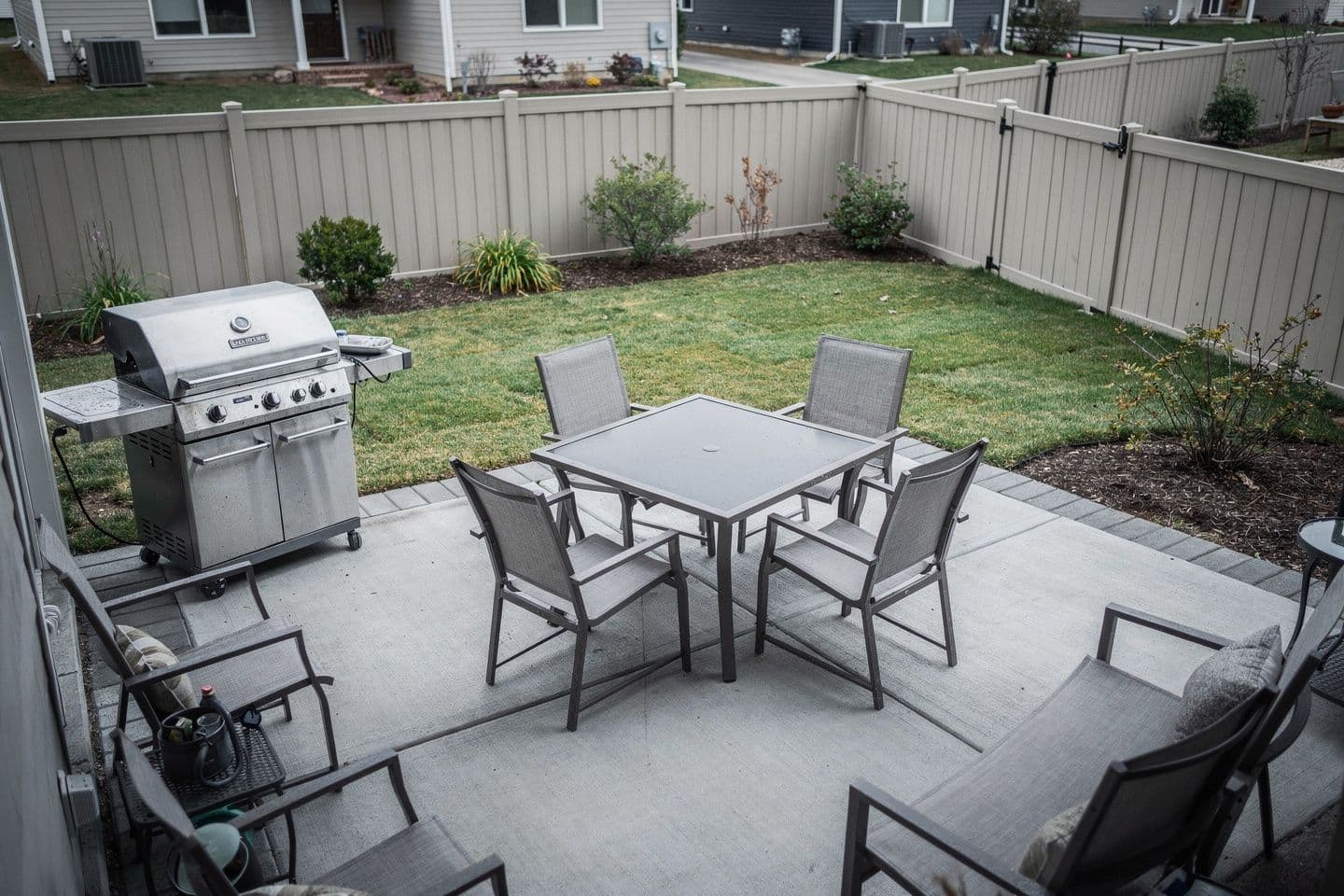
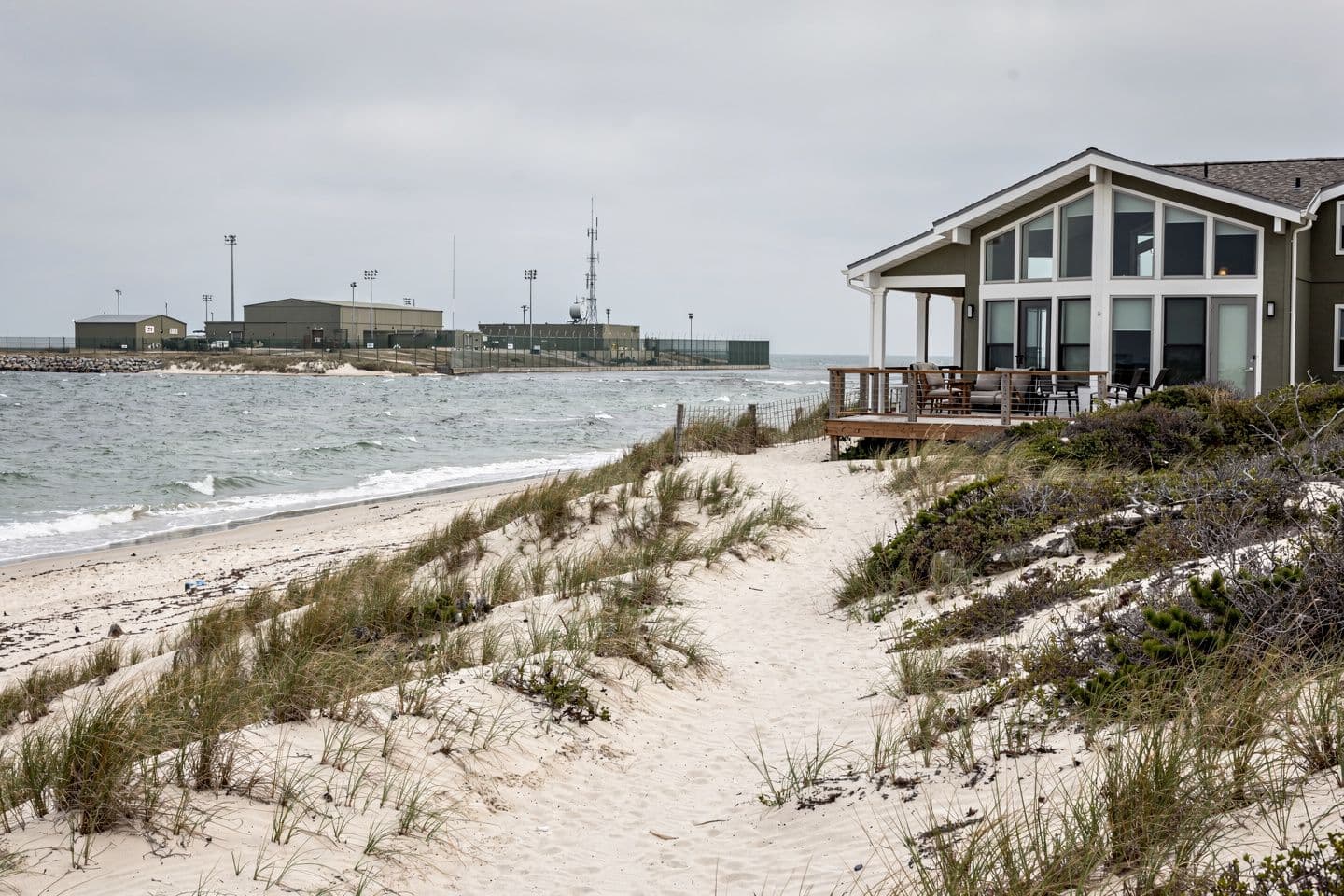
For example, furnished options near Eglin and Hurlburt include TDY Lodging Near Eglin AFB & Hurlburt Field – 2-Bed Home by the Beach - DTS Approved when you are still comparing what could fit your likely dates.

Why TDY Travelers Want to Reserve Housing Before Orders Are Final
The pressure to book early is real. Many TDY assignments involve training pipelines, schools, exercises, maintenance support, inspections, medical appointments, or mission support windows that are known informally before orders are fully processed. By the time the final authorization is ready, the best off-base furnished rentals may already be taken by other travelers with similar dates. That is especially common near bases with recurring student flow, limited extended-stay inventory, seasonal tourism, or major local events.
Early planning can also prevent a poor commute. A rental that looks close on a map may create daily delays if the gate route is congested, if bridges or causeways are involved, or if the local road network funnels traffic through a few chokepoints. For a 30-, 60-, or 120-day TDY, the difference between a 12-minute commute and a 45-minute commute affects sleep, meals, fuel costs, and overall quality of life. Looking early gives you time to compare realistic drive times instead of accepting whatever is left.
Families and pet owners have even more reason to start ahead of final orders. Furnished rentals that allow pets, include fenced yards, provide multiple bedrooms, or support spouse and child travel can be harder to find than a single hotel room. Even if family members are traveling at personal expense, the housing decision still affects your daily routine. A traveler bringing a dog, school-age children, or a spouse working remotely needs to verify amenities long before arrival.
Early shopping is not the problem. The problem is assuming that tentative dates equal reimbursable dates. You can use TDY Hero to identify military-friendly options, message hosts, and understand market availability before your orders are final. The key is to avoid making a nonrefundable commitment until you understand how your unit, DTS authorization, and the Joint Travel Regulations will treat the lodging expense.
What Must Be True Before a Rental Becomes a Safe TDY Booking
A furnished rental becomes much safer to book when several pieces line up: your TDY location is confirmed, your report date and end date are reliable, your lodging reimbursement rules are understood, and your approving official is comfortable with the lodging plan. Final orders are the cleanest proof, but some travelers may receive written direction or an approved DTS authorization before every administrative detail is complete. The important point is that there should be official support for the expense before you create a financial obligation.
The duty location matters because lodging reimbursement is tied to the location on your orders and authorization. If you reserve a rental in a nearby town because it is more comfortable or affordable, the lodging still needs to be reasonable for the assigned duty location. A rental far outside the local commuting area can create questions, especially if transportation costs rise or the location appears chosen for personal convenience rather than mission requirements.
The dates matter just as much. TDY travelers often encounter shifting report dates, delayed classes, early releases, or follow-on assignments. If a host requires a fixed 30-night commitment and your orders later cover only 21 reimbursable nights, you may be responsible for the difference unless your organization authorizes the cost. A rental with flexible start dates, partial-month terms, or a clear cancellation policy reduces the risk of paying for nights that are not supported by orders.
If your timeline slips after you reserve a place, it helps to understand what happens when a TDY report date is delayed before you agree to fixed dates.
Documentation also needs to be confirmed before booking. You should know whether the property can provide an itemized receipt, dates of stay, nightly or monthly lodging cost, taxes and fees if applicable, payment confirmation, and the host or property name. TDY Hero listings are designed for the realities of military stays, but travelers should still ask questions before committing so that voucher documentation does not become a problem after checkout.

How DTS Authorization Changes the Booking Decision
DTS is often the practical checkpoint between browsing and booking. A traveler may know that a TDY is likely, but reimbursement generally depends on what is authorized and later approved on the voucher. If your DTS authorization is not created, not approved, or not aligned with the rental dates, you may be taking a personal financial risk by booking too early. This is especially true for deposits, advance rent, nonrefundable cleaning fees, and cancellation penalties.
An approved authorization does not automatically guarantee that every lodging choice will be reimbursed without question. The expense still needs to comply with applicable rules, local lodging limits, receipt requirements, and command guidance. However, having the rental reflected in your travel planning makes the booking more defensible. It also gives you a chance to resolve issues before money changes hands, such as whether the lodging amount exceeds the locality rate or whether a required certificate of non-availability applies.
Travelers should avoid assuming that a furnished rental is treated exactly like a hotel in every administrative situation. Some rentals charge by the month, some collect a deposit, and some bundle utilities, parking, cleaning, and lodging into one rate. DTS vouchers are cleaner when lodging costs are clearly itemized and match the authorized stay. If a host offers a monthly rate, ask how the receipt will show the covered dates and lodging amount.
Before using the Government Travel Card, you should follow your unit’s travel card rules and confirm that the expense is authorized. The GTC is not a shield against an unsupported booking. If orders are canceled or dates change, the bill can still become due before reimbursement is resolved. A conservative traveler waits for approved authorization or written guidance before charging a rental payment, especially when the payment is nonrefundable.
Deposits, Prepaid Rent, and Cancellation Policies Need Extra Scrutiny
The biggest risk in booking before final orders is not usually the nightly rate. It is the cancellation language. A rental may look affordable, comfortable, and close to base, but a strict cancellation policy can turn a tentative TDY into a personal expense. Before booking, you should know exactly what happens if the report date shifts, the class is canceled, the unit changes the traveler, the mission ends early, or orders are amended.
Deposits are a separate issue from lodging reimbursement. Security deposits are often refundable if there is no damage, but they may not be reimbursable as a lodging expense in the same way nightly rent is. Cleaning fees, administrative fees, pet fees, utility charges, and parking fees may also be treated differently depending on policy, documentation, and local guidance. A host’s statement that something is “standard” does not automatically mean it is reimbursable.
Prepaid monthly rent can be useful for longer TDY stays because it may simplify the arrangement and secure the property. However, it can also create timing problems. If you pay for a full month before your orders are finalized and then travel is delayed by 10 days, the unused portion may not be covered unless the rental agreement allows the dates to move. Flexible check-in terms can be more valuable than a small discount.
When communicating with a host, ask direct questions in writing. Can the reservation be moved if orders change? Is there an orders-related cancellation option? How much money is due to hold the property? What portion is refundable, and by what date? TDY Hero gives travelers a more relevant starting point than broad vacation platforms because the audience is military TDY lodging, but every traveler should still read the agreement before sending payment.
Near Hurlburt and Eglin, listings such as Hurlburt/Eglin TDY home minutes to Navarre and Pensacola Beach. 3bd 2 bath. All new furniture! can be worth asking about early if you need space for family, pets, or remote work.
A Smart Timeline for Booking Before Orders Are Finalized
The best strategy is to separate the process into phases. During the early planning phase, you can search furnished rentals, compare commute options, check whether utilities and Wi-Fi are included, and identify properties that fit your likely dates. At this point, you should avoid nonrefundable payments unless your command has provided clear direction. Save listings, ask about availability, and collect estimated pricing so that you are ready when the authorization moves forward.
Once your TDY appears likely and dates are more stable, move into the verification phase. Ask the host for a sample receipt format or a description of what the final receipt will include. Confirm the full cost, including rent, taxes, cleaning fees, pet fees, parking, utilities, and any required deposit. If the rental charges monthly, ask how a shortened or extended stay would be calculated. You should also confirm whether the host can accommodate amendments if orders shift by a few days.
After the DTS authorization is created or approved, the decision becomes more concrete. Review the lodging amount, locality rate, duty location, and dates. If on-base lodging rules or CNA requirements apply, resolve those before committing to off-base lodging. If your approving official has questions, provide the rental details before booking rather than after the voucher is submitted. This step protects you from avoidable reimbursement problems.
When final orders arrive, compare them against the reservation one more time. The duty location, dates, traveler name, and trip purpose should match the lodging plan. If there is a discrepancy, address it before check-in. TDY Hero can help travelers find and communicate with furnished rental hosts, but the final booking should always be tied back to the official documents that control reimbursement.

What to Ask a Furnished Rental Host Before You Commit
Before booking a furnished rental for TDY, you should ask questions that go beyond photos and bedroom count. Start with the basics: exact address or cross streets, realistic commute time to the main gate or work site, parking availability, Wi-Fi speed, laundry access, kitchen setup, workspace, pet rules, and whether utilities are included. A rental that works for a weekend vacation may not work for a long TDY if it lacks a desk, reliable internet, blackout curtains, or a full-size washer and dryer.
Next, ask administrative questions. Will the host provide an itemized receipt showing the property name, guest name, dates of stay, amount paid, and payment method? Are taxes listed separately if charged? Is the security deposit separate from rent? Are cleaning fees or pet fees itemized? If a monthly price is offered, can the host show how it applies to the exact authorized dates? Clear documentation reduces the chance of a returned voucher or follow-up request.
Then, ask orders-related questions. If your TDY is delayed, can the start date move? If the course ends early, is there an early checkout policy? If the orders are canceled, what is refundable? Some hosts who regularly serve military travelers understand that orders change and may offer more flexible terms than traditional vacation-rental hosts. Those details should be written into the agreement or message thread rather than assumed.
The same caution applies if the mission disappears altogether, so review what happens if TDY orders are cancelled after booking off-base housing before you rely on a host’s refund language.
Finally, consider livability. You may be spending weeks or months in the property, not just sleeping there. Ask whether the home includes linens, towels, cookware, cleaning supplies, a vacuum, secure entry, adequate climate control, and a quiet environment. A furnished rental found through TDY Hero should still be evaluated against the actual rhythm of TDY life: early mornings, study nights, meal prep, laundry cycles, and the need for a predictable routine.
Common Mistakes When Booking Too Early
One common mistake is booking based on verbal confidence instead of official support. A supervisor may say the TDY is almost certain, but travel plans can change for funding, mission, medical, training-seat, or personnel reasons. If you sign a strict rental agreement before authorization is approved, the host is not responsible for the government’s change in plans unless the contract says otherwise. Optimism is not a reimbursement strategy.
Another mistake is focusing only on the base name instead of the actual duty location. Some TDY assignments are associated with a base but require work at a schoolhouse, contractor facility, range, clinic, or annex that changes the commute. Booking close to the wrong gate or on the wrong side of town can make daily travel harder than expected. Before committing, verify the place you need to report, not just the installation listed in casual conversation.
Travelers also get into trouble when they overlook fees. A rental advertised at a reasonable monthly rate may add a cleaning fee, pet fee, parking fee, administrative charge, utility cap, or tax line. Some of those costs may be allowable in certain circumstances, while others may not be reimbursed or may need clearer documentation. The total cost should be compared against the lodging allowance and your personal risk tolerance before you book.
The final mistake is failing to preserve written records. If a host agrees to move dates because orders change, get that agreement in writing. If a fee is refundable, make sure the refund terms are documented. If the receipt will be formatted a certain way, confirm it before payment. A clean paper trail matters when your voucher is reviewed weeks later.

How Property Owners Can Support Travelers With Pending Orders
Property owners who want to attract TDY guests can reduce friction by understanding that military travelers often shop before orders are final. A guest may be serious, professional, and likely to book, but still unable to make a nonrefundable commitment immediately. Hosts who offer clear quote windows, flexible date-change language, and transparent fee structures are more likely to earn trust from travelers navigating DTS and command approval.
A strong TDY rental listing should explain what is included in the rate. Utilities, Wi-Fi, parking, laundry, furnishings, kitchen supplies, linens, and workspace details should be easy to understand. Owners should also describe commute considerations honestly, including which gate or major road is typically used. Military guests value accuracy because commute time affects their duty day, and misleading location language can lead to poor reviews or cancellations.
Owners can look at military-focused examples like TDY Hurlburt Eglin - Downtown FWB Condo 2bed/2bath/office for ideas on how to present commute, workspace, and furnished-living details clearly.
Owners can also prepare a receipt process before the first inquiry arrives. A receipt that clearly shows the guest name, property address or rental identifier, dates, lodging amount, fees, taxes if applicable, and payment status helps the traveler complete the voucher. If a security deposit is collected, it should be separated from lodging charges. Clean documentation can make a furnished rental more competitive against hotels and extended-stay properties.
TDY Hero helps property owners connect with travelers who are specifically looking for off-base furnished housing near military assignments. Owners who understand pending orders, amendments, and cancellation concerns can position their properties as military-friendly without promising reimbursement. The best approach is simple: provide accurate information, put policies in writing, and make it easy for the traveler to confirm the stay once orders are ready.
Final Thoughts
You can look for a furnished rental before TDY orders are finalized, and in many markets it is smart to start early. Early research helps you understand pricing, commute patterns, availability, pet options, family needs, and documentation requirements. The important distinction is that shopping early is different from making a binding financial commitment before the trip is officially supported.
The safest path is to identify good options, ask detailed questions, confirm receipt and cancellation terms, and wait for approved authorization or clear command guidance before paying nonrefundable costs. If you must hold a property before final orders, choose the most flexible terms available and keep every agreement in writing. That extra caution can protect your GTC balance, your reimbursement, and your personal budget.
TDY Hero is built to make this process easier by connecting military travelers with furnished rentals that fit the realities of TDY life. Whether you are a traveler trying to avoid last-minute lodging stress or a property owner serving guests with shifting orders, the best booking decisions are made with clear dates, clear policies, and clear documentation.