

Why Meal Per Diem Matters When You Choose Off-Base Lodging
For many service members, the lodging decision during TDY is about more than a bed, commute time, and nightly rate. Food costs can become one of the biggest quality-of-life factors during a 30-, 60-, or 120-day assignment. Understanding TDY meal per diem off-base lodging rules helps you avoid mixing up separate parts of travel reimbursement and gives you a clearer picture of what daily life will actually cost.
Military travel allowances generally separate lodging from meals and incidental expenses, commonly called M&IE. Lodging reimbursement is tied to authorized lodging costs, while M&IE is intended to help cover food and small travel-related expenses. When you stay off base in a furnished rental with a kitchen, you may still receive the authorized M&IE rate unless your orders, local policy, or government-provided meals affect that entitlement. That distinction is important because a kitchen can help you stretch your allowance without changing what the allowance is meant to cover.
TDY Hero is designed around the realities of military travel, including longer stays, shifting orders, and the need for practical housing near training bases and operational locations. A furnished rental is not just a place to sleep; it can influence how much you spend on groceries, restaurants, fuel, laundry, and daily routines. The more you understand the relationship between M&IE and lodging, the easier it becomes to choose housing that supports both compliance and comfort.

The Difference Between Lodging Per Diem And M&IE
Lodging per diem and M&IE are often discussed together, but they function differently. Lodging reimbursement is generally based on actual lodging costs up to the authorized maximum for the duty location. In most cases, you need an itemized lodging receipt showing dates, nightly rate, taxes, fees, and payment information. If your off-base rental is within the authorized lodging amount and properly documented, it may be reimbursable according to your orders and travel office guidance.
For a deeper look at the lodging side of the voucher, see off-base lodging reimbursement rules before you book.
M&IE, on the other hand, is a daily allowance for meals and incidental expenses. It is not typically reimbursed based on every individual restaurant or grocery receipt. Instead, the applicable daily rate is used according to location, travel days, availability of government meals, and other policy factors. This means your food spending habits directly affect your personal budget. If you spend less than the M&IE amount by using a kitchen and meal planning, you may keep more money available for other authorized personal needs. If you eat out every day, your actual food costs can exceed the allowance quickly.
The most common mistake is assuming that a lower off-base lodging rate increases meal per diem, or that a full kitchen automatically reduces meal per diem. Those are not automatic trade-offs. Lodging and M&IE are separate calculations, though both are part of the travel voucher process. You should always confirm details through the Joint Travel Regulations, DTS, your approving official, or your local finance office, especially if your orders involve provided meals, field conditions, schoolhouse dining facilities, or unusual lodging instructions.
How Off-Base Furnished Rentals Can Change Your Daily Food Budget
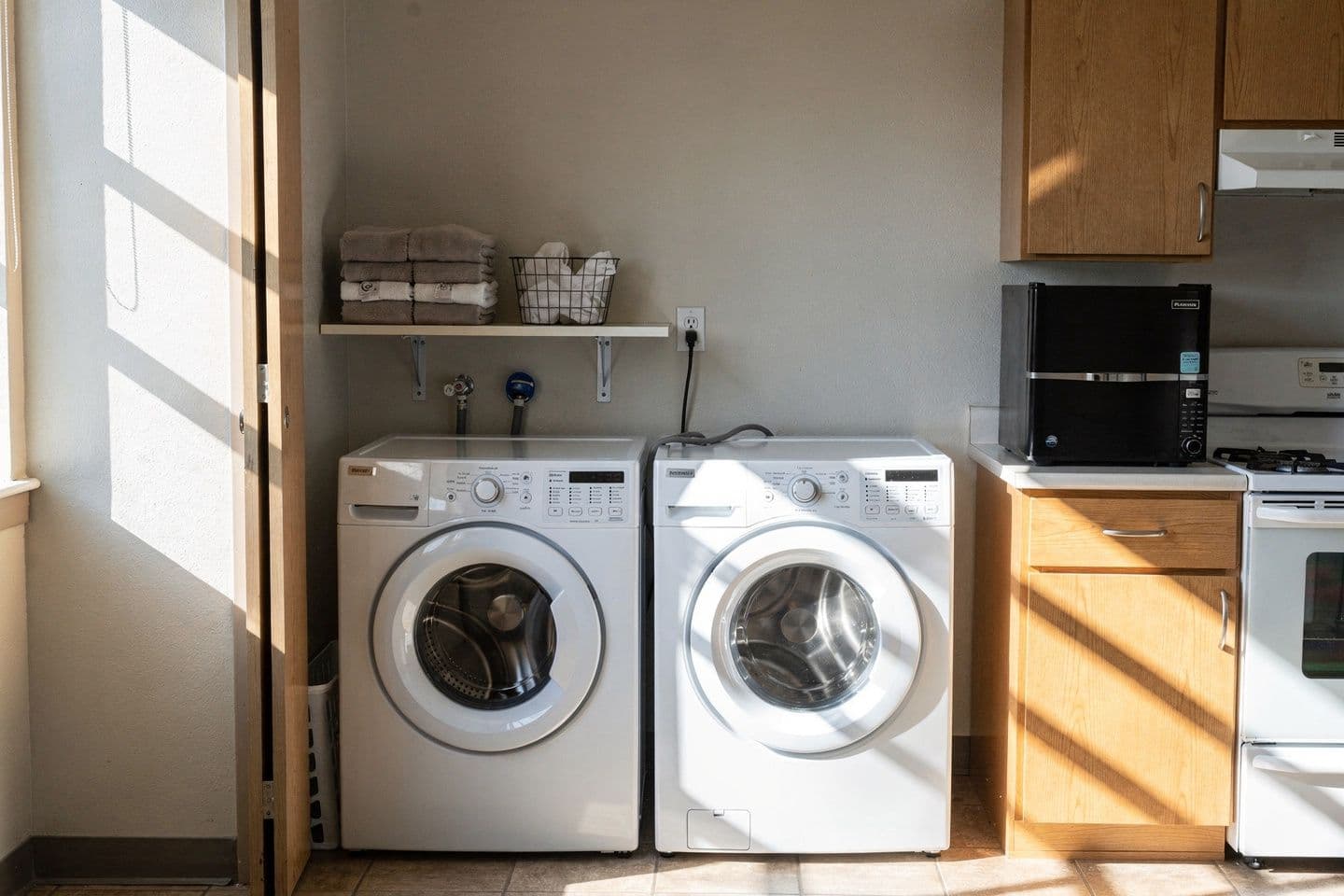
A hotel room with a microwave and mini-fridge can work for a short trip, but it can become limiting during a longer TDY. After the first week, restaurant meals, delivery fees, and convenience-store purchases can add up. Off-base furnished rentals often provide full kitchens, cookware, refrigerators, freezers, dining areas, and storage space, which can make the M&IE allowance easier to manage over time. For service members attending multi-week training, that difference can be significant.
A full kitchen gives you more control over breakfast, meal prep, coffee, snacks, and late-night food after long duty days. Instead of relying on takeout near the gate or fast-casual meals between training events, you can buy groceries once or twice per week and prepare meals around your schedule. That can be especially helpful near bases where restaurant prices are high, traffic is heavy, or convenient options are limited after normal business hours.
TDY Hero listings often highlight practical amenities that affect your real cost of living, such as kitchen equipment, laundry, parking, Wi-Fi, and workspace. These features may not look as dramatic as a pool or resort-style lobby, but they can matter more during an extended assignment. A rental that helps you spend less on meals, laundry, and commuting can improve the overall value of your TDY stay, even when the nightly lodging rate is similar to other options.
Furnished options near Eglin and Hurlburt include TDY Lodging Near Eglin AFB & Hurlburt Field – 2-Bed Home by the Beach - DTS Approved and TDY Hurlburt Eglin - Downtown FWB Condo 2bed/2bath/office.

What To Know About Government-Provided Meals And Reduced Rates
Government-provided meals can affect M&IE, so this is one area where assumptions can create reimbursement problems. If meals are provided at no cost, available through a dining facility under specific conditions, or included as part of a course, your daily M&IE may be reduced. The treatment depends on your orders, the type of duty, the availability of meals, and the applicable travel policy. You should not assume that staying off base by itself guarantees the full local meal rate.
Some TDY assignments involve formal training environments where meals may be directed or available. Others involve operational support, medical appointments, conferences, or schoolhouse schedules where you are expected to handle meals independently. The difference should be reflected in your authorization and voucher. If the orders are unclear, it is better to ask before travel than to discover during voucher review that the M&IE rate was not calculated as expected.
Off-base lodging can still be useful even when partial meal reductions apply. A kitchen may help you cover meals that are not provided, keep snacks and beverages available, or manage dietary needs outside the dining facility schedule. If you have food allergies, fitness goals, religious dietary restrictions, or a family traveling with you, the ability to prepare meals may matter regardless of the exact M&IE amount. The key is to separate comfort and convenience from entitlement rules and document the trip correctly.
Using A Government Travel Card For Meals, Groceries, And Lodging
The Government Travel Charge Card, often called the GTC, is commonly used for official travel expenses, but rules and command expectations can vary. Lodging is usually one of the clearest official expenses to charge to the card when authorized. Meals during TDY may also be placed on the card, depending on policy and local guidance, but that does not mean every grocery or restaurant decision is automatically handled the same way. You are still responsible for paying the card bill and filing an accurate voucher.
For budgeting, the important point is that the GTC is a payment tool, not extra income. If you charge meals to the card, the reimbursement still needs to flow through the travel settlement process. Split disbursement may send part of the reimbursement directly to the card provider, but you should monitor balances, due dates, and voucher status. Delays, rejected receipts, or authorization errors can create stress if spending is not tracked carefully.
A furnished rental found through TDY Hero can help simplify the lodging side by giving you a clear place to stay for the full assignment, but you still need to confirm payment methods, receipts, and documentation before booking. For meals, a simple weekly budget can prevent surprises. If the daily M&IE rate is known, multiply it by the number of full TDY days, account for reduced first and last travel days if applicable, and decide how much should be reserved for groceries, restaurants, coffee, snacks, and incidental expenses.
Receipt Strategy: What To Keep And What To Track
Even when individual meal receipts are not required for standard M&IE reimbursement, keeping basic records is still smart. Travel vouchers can be reviewed, policies can vary, and unusual expenses may need explanation. At a minimum, you should keep lodging receipts, rental agreements, payment confirmations, and any communication related to lodging cost, taxes, fees, and dates. For food, a personal spending log can help you stay within budget, even if it is not uploaded with the voucher.
For off-base rentals, documentation should be especially clean. An itemized receipt should show the property name or host information, address or location, stay dates, nightly or monthly rate breakdown, taxes, fees, and proof of payment. If the stay is extended due to amended orders, updated invoices or receipts should match the new dates. This is where military-focused housing platforms can be helpful because the booking conversation is usually centered on TDY realities rather than vacation assumptions.
For the receipt and paperwork side, review how to document lodging in an off-base crashpad for reimbursement.
TDY Hero encourages a more practical lodging search by connecting military travelers with owners who understand longer stays and the need for documentation. However, the traveler remains responsible for ensuring the rental aligns with orders, command guidance, and reimbursement requirements. Before check-in, you should ask whether receipts can be itemized, whether taxes and fees are separated, whether the payment method is accepted, and whether the owner can adjust documentation if orders change.

How To Build A Realistic TDY Food Budget Before Arrival
A realistic TDY food budget starts with the duty location, schedule, and length of stay. A two-week trip with unpredictable hours may involve more restaurant meals than a 90-day course with stable evenings. A base in a high-cost coastal area will feel different from a lower-cost inland location. Before arrival, you should review the local M&IE rate, identify nearby grocery stores, check commute routes, and decide whether the rental’s kitchen setup is sufficient for actual cooking.
The best budget usually combines routine and flexibility. For example, breakfast and coffee at the rental can reduce daily spending immediately. Meal prepping lunches can help when training days are long or dining options near base are limited. Dinners can be split between home-cooked meals and restaurants, especially during weekends or after demanding duty days. This approach avoids the fatigue of cooking every meal while still preventing the M&IE allowance from disappearing into delivery apps.
You should also account for incidental expenses that are easy to overlook. Bottled water, energy drinks, laundry supplies, paper goods, condiments, cleaning products, and occasional convenience purchases can all chip away at the daily allowance. A furnished rental with basic starter supplies may reduce first-week costs, but you should not assume every consumable will be provided for the entire stay. Reading the listing closely and asking the owner about what is included can prevent unnecessary duplicate purchases.
Choosing The Right Off-Base Rental For Meal Planning
Not every furnished rental is equally useful for managing meal per diem. A property may look attractive online but lack the tools needed for regular cooking. Before booking, you should look for a full-size refrigerator, freezer space, stove or cooktop, oven or air fryer, microwave, coffee maker, cookware, knives, cutting boards, food storage containers, and enough dishes for the number of occupants. For shared housing, you should also ask how kitchen storage is divided and whether multiple guests are using the same appliances.
Location also matters. A rental close to the gate but far from affordable grocery stores may not save as much as expected. On the other hand, a property near a major supermarket, warehouse club, or healthy meal-prep option can make daily routines easier. If you do not have a rental car, walkability, rideshare availability, and delivery options become part of the food budget. A slightly longer commute may be worthwhile if the property supports lower day-to-day costs and better rest.
TDY Hero listings can help you compare these practical details in one place because the platform is built for military lodging needs rather than weekend tourism. When reviewing options, you should think like someone living there for weeks, not visiting for two nights. Ask whether the kitchen is stocked for actual cooking, whether there is pantry space, whether trash service is convenient, and whether the neighborhood has grocery access that fits your duty schedule.
If you are headed to Shaw AFB, Luxury TDY Lodging Near Shaw AFB - Renovated Off-Base Townhouse in Sumter, SC is the kind of off-base setup where kitchen and living-space details matter for longer stays.

Common Budgeting Mistakes During Longer TDY Stays
One common mistake is treating M&IE as a daily restaurant budget instead of a full meals-and-incidentals allowance. A breakfast sandwich, coffee, lunch near base, dinner out, and a few snacks can exceed the daily amount in many locations. That pattern may feel manageable for the first few days, but over a multi-month TDY it can become expensive. A kitchen does not force you to cook every meal, but it gives you a way to reset spending when costs start creeping up.
Another mistake is ignoring the first and last day of travel. Travel days are often calculated differently from full TDY days, and the M&IE amount may be reduced. If you build a budget using the full daily rate for every calendar day, the final reimbursement may be lower than expected. You should check the authorization and understand how many full days are included, how travel days are treated, and whether any provided meals reduce the total.
A third mistake is booking lodging without considering how the property affects food habits. A room without laundry, a desk, or a kitchen may push you toward restaurants, coffee shops, and convenience services. A comfortable furnished rental can reduce those outside costs by making normal life easier. TDY Hero helps highlight off-base properties that are better suited to extended stays, but you should still compare the total lifestyle cost rather than focusing only on the nightly rate.
Final Thoughts: Use M&IE Strategically, But Keep Lodging Compliant
TDY meal per diem off-base lodging decisions should be made with two goals in mind: compliance and livability. Compliance means your lodging, receipts, payment method, and voucher match your orders and applicable travel rules. Livability means your temporary home supports healthy meals, rest, laundry, work, and a manageable commute. When both goals are met, TDY becomes less stressful and easier to sustain over longer assignments.
The biggest takeaway is that lodging and M&IE are related in your daily experience but separate in reimbursement structure. A full kitchen does not automatically change your entitlement, and a lower lodging rate does not automatically increase your meal allowance. However, the right rental can help you spend M&IE more wisely, avoid restaurant fatigue, and maintain a better routine while away from home.
For more planning ideas, budgeting for TDY without sacrificing comfort can help you think through the daily trade-offs.
TDY Hero gives military travelers a more focused way to find furnished rentals that fit the realities of temporary duty. Before booking, you should confirm reimbursement requirements with the appropriate travel authority, review the listing for kitchen and lifestyle amenities, and plan a food budget that reflects the actual length and pace of the assignment. A well-chosen off-base rental can make the difference between simply getting through TDY and living well while staying within the rules.