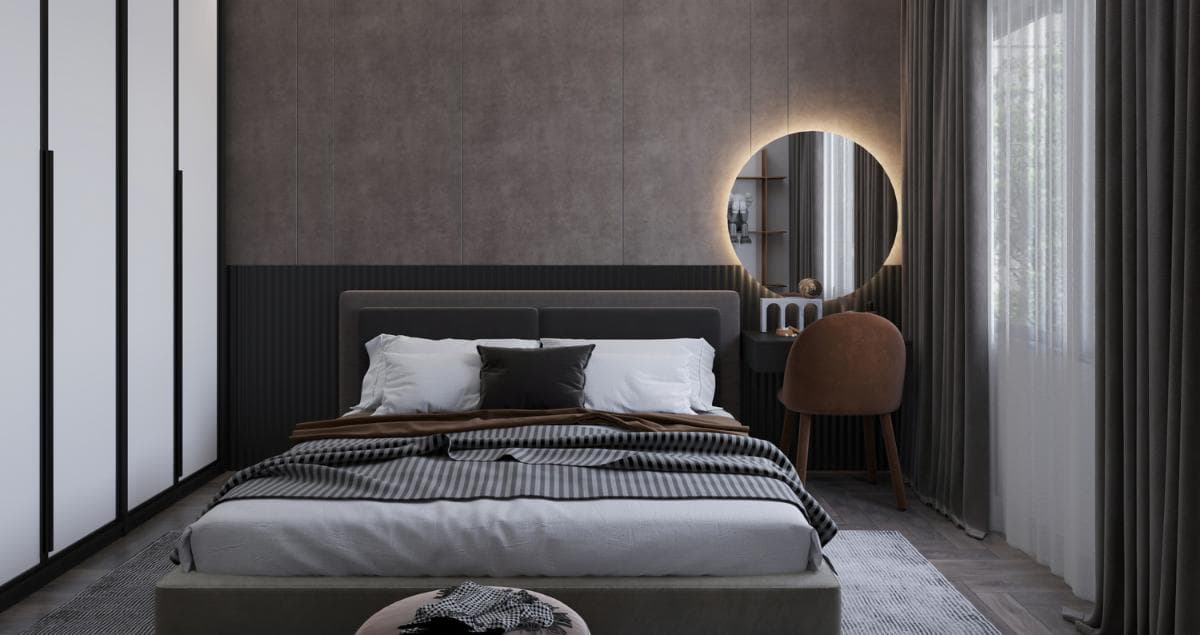


When preparing military housing for short-term assignments, the question of what bed setup works best for TDY guests often comes up during planning and furnishing decisions. It may seem like a simple design choice, but for service members who may be staying anywhere from a few weeks to several months, the sleeping arrangement plays a major role in comfort, rest quality, and overall satisfaction. Unlike traditional vacation rentals, TDY housing must support structured routines, early mornings, and sometimes shared accommodations, which makes bed configuration more important than many owners initially expect.
A well-planned bed setup can influence not only how comfortable guests feel but also how efficiently they recover after long duty hours. Military travelers often prioritize functionality over luxury, but that does not mean comfort is optional. In fact, the right combination of bed size, placement, and flexibility can significantly improve guest experience and lead to better reviews and repeat bookings. Understanding these preferences helps property owners create spaces that truly meet the needs of TDY tenants rather than just offering basic accommodation.
Why Bed Setup Matters in TDY Housing
Bed setup is one of the most important elements in TDY housing because it directly impacts rest quality, which is essential for service members on demanding schedules. Military guests often work long shifts or attend intensive training, making sleep recovery a top priority. If the bed is uncomfortable or poorly suited to their needs, it can affect their performance and overall experience during the assignment. This is why even small decisions, such as mattress quality or bed size, carry significant weight in military rentals.
Beyond comfort, bed configuration also affects how practical a space feels for different types of TDY guests. Some travelers come alone, while others may arrive with family members or colleagues depending on assignment type. A flexible setup allows the property to accommodate varying group sizes without feeling overcrowded. This adaptability makes a rental more competitive in military housing markets where demand can shift quickly based on training schedules and base assignments.
King Beds vs Multiple Single Beds
One of the most common decisions property owners face is whether to use king beds or multiple single beds in their TDY rentals. A king bed offers maximum comfort for solo travelers or couples, providing ample space for rest after long duty hours. It creates a hotel-like experience that many service members appreciate, especially during extended stays. However, it may not always be the most practical option for shared accommodations or group assignments.
On the other hand, multiple single beds provide flexibility for rotating assignments or shared housing situations. This setup is often preferred in properties that host groups of service members attending training together. It allows for easier room assignments and reduces potential discomfort between guests sharing the same space. For a deeper look at preferences, many hosts explore insights such as do military guests prefer king beds or multiple singles to better understand what works best in different scenarios.
How Room Layout Affects Sleeping Comfort
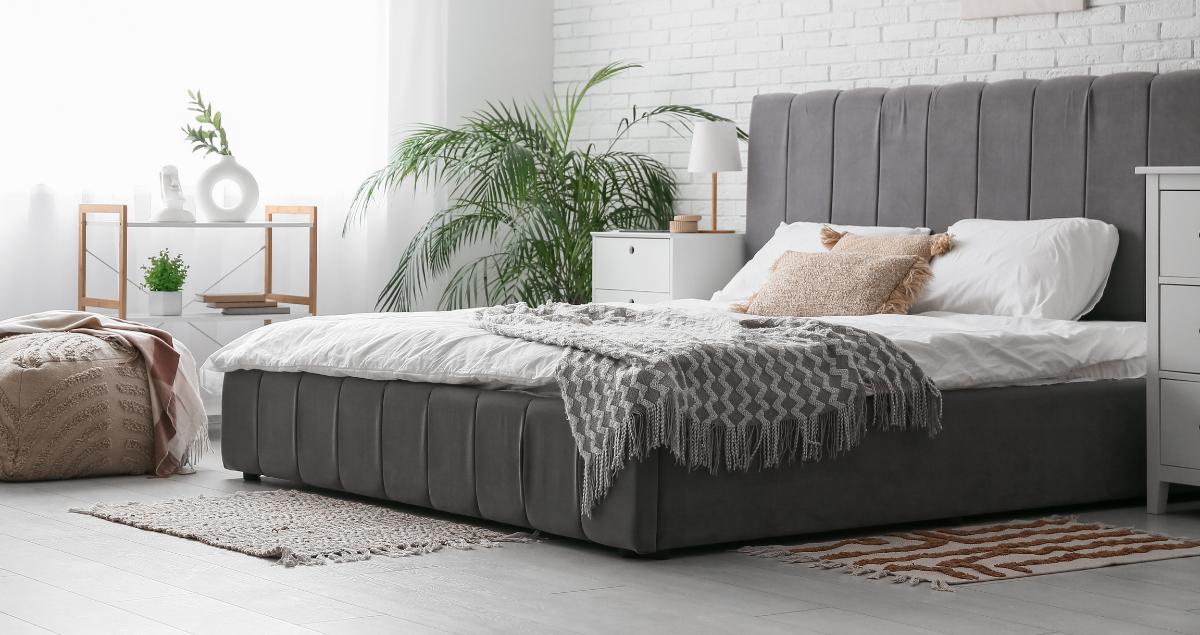
The layout of a bedroom plays a major role in how effective a bed setup feels in practice. Even the best mattress can feel less comfortable if the room is overcrowded or poorly arranged. Military guests often need space for uniforms, gear, and personal belongings, so bedroom flow becomes just as important as the bed itself. A well-balanced layout ensures that guests can move comfortably without feeling restricted or cluttered.
Proper spacing around the bed also enhances accessibility and usability during long stays. Nightstands, lighting, and storage placement should complement the bed rather than compete with it for space. When everything is thoughtfully arranged, the bedroom feels more organized and relaxing, which directly contributes to better sleep quality. This attention to detail is especially valuable in TDY rentals where guests may stay for extended periods and require consistency in their living environment.
Multi-Room Properties and Group TDY Stays
In larger TDY housing setups, bed configuration becomes even more important due to the presence of multiple occupants. Group stays require careful planning to ensure each guest has adequate space and privacy. This often means combining different bed types across bedrooms to accommodate various needs. Flexibility is key in these situations, as assignments can vary widely in group size and duration.
Properties designed for group TDY stays often include a mix of king beds, queen beds, and twin setups to maximize versatility. This approach allows landlords to adjust the space depending on booking requirements without needing structural changes. A good example of this type of setup can be seen in a large multi-bedroom home ideal for TDY group stays, where thoughtful design supports both comfort and shared living arrangements effectively.
Mattress Quality and Sleep Performance
While bed size is important, mattress quality often has an even greater impact on guest satisfaction. Military travelers rely heavily on quality rest to maintain performance during assignments, making mattress comfort a top priority. A supportive mattress helps reduce fatigue and improves recovery, especially during physically demanding TDY periods. Poor-quality mattresses, on the other hand, can quickly lead to dissatisfaction regardless of other amenities in the property.
Durability is also a key factor because TDY rentals experience frequent turnover and varied usage. High-density foam or hybrid mattresses tend to perform well in these environments due to their balance of comfort and longevity. Investing in quality mattresses reduces replacement costs over time and ensures consistent guest experience. This makes it a smart long-term decision for property owners targeting military renters.
Balancing Privacy and Shared Sleeping Arrangements
Privacy is another important consideration when designing bed setups for TDY guests, especially in shared housing situations. Military travelers often value personal space after structured, high-intensity workdays. Ensuring that sleeping areas feel private, even within shared properties, helps improve overall comfort and satisfaction. This can be achieved through thoughtful room division and strategic bed placement.
In multi-occupant rentals, separating sleeping areas with physical distance or layout design can make a significant difference. Even simple adjustments like placing beds in opposite corners or using separate rooms entirely can enhance privacy. This approach reduces tension between guests and creates a more respectful living environment. Ultimately, better privacy leads to better reviews and stronger long-term rental performance.
Choosing the Right Setup for Your Property Type
Not all TDY rentals require the same bed configuration, and the best setup often depends on the property type and target audience. Smaller units may benefit from king or queen beds designed for solo travelers or couples. Larger homes, however, may need a combination of bed types to accommodate families or groups. Understanding your target market is essential before finalizing any setup decisions.
Flexibility is often the most valuable feature in TDY housing design. Properties that can adapt to different guest types tend to perform better in competitive markets near military bases. Adjustable furniture, modular layouts, and versatile sleeping arrangements all contribute to this adaptability. By aligning your setup with real military travel needs, you increase both occupancy and guest satisfaction over time.
Ultimately, the best bed setup for TDY guests is one that balances comfort, flexibility, and practicality. While preferences may vary depending on assignment type and group size, the goal remains the same: providing a restful, functional environment that supports military lifestyles. With thoughtful planning and attention to detail, property owners can create sleeping arrangements that consistently meet and exceed guest expectations.