


Managing a military rental comes with unique risks, especially when guests are rotating frequently and using the property as a fully furnished temporary home. That’s why understanding what insurance policies do military TDY rentals need is not just a legal consideration but a financial safety strategy. Without the right coverage, even a small incident can quickly turn into a major expense that affects your rental income and long-term investment goals.
Unlike traditional long-term leases, TDY rentals involve higher guest turnover, more frequent use of appliances and furnishings, and increased exposure to liability risks. This combination makes insurance planning more complex but also more important. A well-structured insurance setup ensures that both your property and your guests are protected throughout every stay.
Why Insurance Is Critical for TDY Rental Hosts
TDY rentals operate in a different environment compared to standard residential rentals. Guests are typically staying for short-term assignments, which means the property experiences more frequent cleaning, maintenance, and usage cycles. This constant turnover increases the likelihood of accidental damage or unexpected incidents.
Insurance is what keeps these risks from becoming financial setbacks. Whether it’s a broken appliance, guest injury, or weather-related damage, having the right coverage ensures you’re not paying out of pocket for issues that are part of normal rental operations. It also provides peace of mind so you can focus on guest experience rather than potential liabilities. Without proper insurance, even one incident can outweigh months of rental income. This is why TDY hosts are encouraged to treat insurance as a core part of their business model rather than an optional add-on.
Understanding Property Insurance for Furnished Rentals
Standard homeowner’s insurance is often not enough for TDY rentals because it is designed for owner-occupied homes, not income-generating properties. A proper rental policy should cover both the structure and the contents inside, including furniture, appliances, and décor. These items are essential to the guest experience and often represent a significant investment.
For example, a property like a insured furnished rental near Maxwell AFB for TDY guests would require coverage that accounts for upgraded furnishings and outdoor amenities. If damage occurs to these items, replacement costs can be substantial without proper insurance in place. It’s also important to ensure your policy reflects the true value of your furnished setup. Many hosts underestimate replacement costs, which can lead to insufficient coverage when a claim is filed. A detailed inventory list helps ensure accurate protection.
Liability Insurance and Guest Protection Risks
Liability insurance is one of the most important protections for TDY rental hosts. It covers legal and medical expenses if a guest is injured on your property or if they claim damages due to unsafe conditions. Even minor incidents can lead to costly claims if liability coverage is not in place. This type of insurance becomes especially important when your property includes outdoor areas, stairs, or shared spaces that increase the chance of accidents. Guests expect a safe environment, but accidents can still happen even in well-maintained homes.
To better understand coverage options, many hosts explore resources like liability insurance for short-term military rentals, which breaks down how different liability policies apply specifically to furnished military housing. This helps clarify what protection is necessary based on your property type.
Coverage for Furniture, Appliances, and Interior Assets
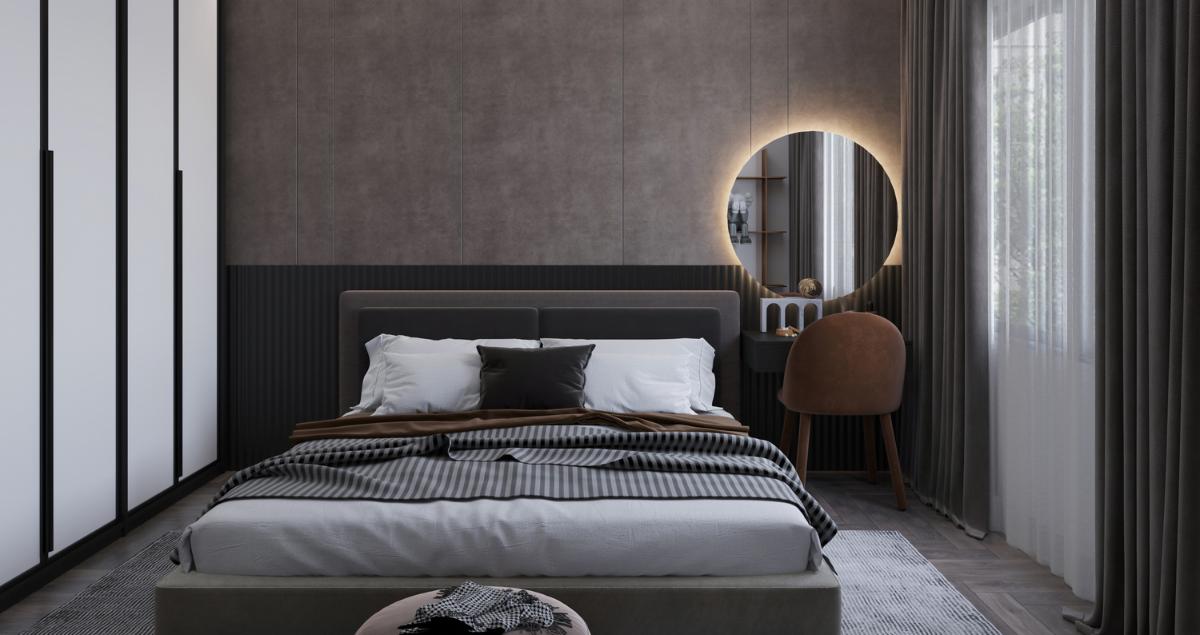
One of the biggest differences between TDY rentals and traditional rentals is the level of furnishing involved. Military guests expect fully equipped homes with beds, kitchenware, appliances, and living room setups. This means your insurance must extend beyond the structure and cover interior assets as well.
Replacement cost value (RCV) coverage is often recommended over actual cash value (ACV). RCV ensures you can replace damaged items at current market prices rather than depreciated value, which is especially important for maintaining quality standards in a competitive rental market. Even smaller units, such as a furnished loft or compact TDY apartment, rely heavily on these protections. Without them, replacing essential items after damage could significantly reduce your profitability.
Optional Insurance Policies That Add Extra Protection
Beyond standard property and liability coverage, there are additional insurance options that TDY hosts should consider depending on location and risk exposure. One common option is loss of rental income insurance, which compensates you if your property becomes temporarily uninhabitable due to a covered event.
Weather-related insurance, such as flood or hurricane coverage, may also be essential depending on your region. Properties in coastal or storm-prone areas are particularly vulnerable to unexpected damage that standard policies may not fully cover. Umbrella insurance is another valuable option, offering extended liability protection beyond standard policy limits. This is especially useful for hosts managing multiple properties or higher-value furnished homes.
Insurance Considerations for High-Use TDY Properties
Some TDY rentals experience higher occupancy rates due to their proximity to military bases or popular assignment locations. In these cases, insurance needs become even more important because frequent guest turnover increases wear and tear on the property.
For example, homes with larger layouts, outdoor spaces, or upgraded interiors require more comprehensive protection. A detailed policy ensures that both structural elements and furnishings are covered under high usage conditions. When evaluating coverage, it’s important to consider not just the building itself but also how often the property is occupied and the type of guests staying there. These factors directly influence risk exposure.
How to Choose the Right Insurance Provider
Not all insurance providers understand the nuances of short-term and TDY rentals. It’s important to work with an agent or company that has experience in furnished or mid-term rental properties. This ensures your policy is structured correctly for your use case. When discussing coverage, be transparent about how your property is used, how often guests rotate, and what furnishings are included. Full disclosure helps prevent claim issues later and ensures your policy accurately reflects your rental activity. A knowledgeable provider can also help you identify gaps in coverage that you might not have considered. This can include things like guest-caused damage, theft of furnishings, or temporary relocation costs for guests.
Balancing Insurance Costs With Rental Income
One concern many hosts have is the cost of insurance compared to rental income. While premiums do add to operating expenses, they should be viewed as a necessary investment in protecting long-term profitability. Without coverage, a single incident could cost far more than years of insurance payments.
Well-insured properties also tend to perform better in the market. Guests and property managers prefer listings that are professionally maintained and properly protected. This can indirectly improve booking rates and guest confidence. Over time, having the right insurance structure helps stabilize your rental business and reduces financial uncertainty, especially in high-turnover TDY environments.
Final Thoughts on TDY Rental Insurance Planning
Choosing the right insurance policies for military TDY rentals is about more than compliance—it’s about protecting your investment and ensuring consistent guest experiences. From property and liability coverage to optional protections like loss of income insurance, each layer plays a role in reducing risk.
When structured correctly, insurance allows you to operate with confidence, even in high-occupancy or high-risk environments. It also ensures that guests enjoy a safe, well-maintained home without disruption during their stay. Ultimately, a well-insured TDY rental is a more stable and sustainable business. By planning ahead and choosing the right coverage, you protect both your property and your long-term success in the military rental market.