


If you’re considering hosting service members on TDY (Temporary Duty) assignments, one of the first things you’ll likely ask is: what licenses do I need to rent to military guests? It’s a common question for property owners stepping into this space, especially since military stays don’t always follow the same rules as traditional short-term or long-term rentals. The confusion often comes from how military stays differ from typical rentals. Unlike vacation guests or long-term tenants, TDY travelers usually stay for several weeks to a few months, depending on their orders and training requirements.
That average length of stay plays a big role in determining what licenses or permits you may need. Since most TDY guests stay longer than 30 days, many military rentals fall into the mid-term category rather than short-term vacation rentals. Understanding this distinction is the first step toward making sure your property is both compliant and optimized for military travelers.
Do You Need a License to Rent to Military Guests?
In most cases, yes—you will need some form of license or registration to legally rent your property, even to military guests. However, the type of license depends heavily on how your rental is classified. If your property is considered a short-term rental, you may need a vacation rental permit, business license, and compliance with local occupancy taxes. These requirements can vary significantly from one city to another.
If your rental qualifies as a mid-term stay due to longer TDY durations, the requirements are often less restrictive. Many areas treat mid-term rentals similarly to traditional leasing, which can reduce the need for specialized short-term rental permits. This is why understanding the typical stay length of TDY guests is so important—it directly impacts your licensing obligations.
How Does TDY Length of Stay Affect Licensing?
The duration of a TDY stay is one of the biggest factors that determines what rules apply to your rental. Most TDY assignments last between 30 and 90 days, which places them squarely in the mid-term rental category. This can be beneficial for property owners because it often allows them to avoid stricter short-term rental regulations that are designed for nightly or weekly stays.
Because of this, many landlords intentionally structure their properties to cater to longer TDY stays rather than short-term bookings. Not only does this simplify licensing requirements, but it also creates more stable income with fewer turnovers. In many cases, aligning your rental with mid-term stays is both a compliance strategy and a business advantage.
What Local Regulations Should You Check?
Before listing your property for military guests, it’s essential to review your local city and county regulations. These rules can include zoning laws, rental registration requirements, safety inspections, and tax obligations. Some cities have strict limitations on short-term rentals but are more flexible with mid-term or extended stays. Understanding these distinctions can save you time and prevent costly mistakes.
It’s also important to check whether your area requires a general business license for rental activity. Even if you’re not operating a short-term rental, you may still need to register your property as a rental business. Taking the time to verify these requirements ensures that you can host military guests without running into compliance issues later.
Do Military Rentals Require Special Permits?
One of the biggest misconceptions is that renting to military guests requires special government permits. In reality, there are no unique federal licenses specifically for military rentals. The rules you follow are the same local regulations that apply to any rental property in your area. The difference lies in how the rental is structured and the length of stay.
However, military travelers do have specific expectations that go beyond basic compliance. They need properties that meet Joint Travel Regulation (JTR) standards, including proper documentation for reimbursement and suitable living conditions. While this doesn’t require a special license, it does require attention to detail in how you manage your property.
How to Stay Compliant with Military Housing Standards
Compliance for military rentals goes beyond just licenses—it also involves meeting safety and livability expectations. Service members often prioritize features like secure entry, reliable utilities, and fully furnished spaces that support extended stays. Ensuring your property meets these standards not only improves your listing but also increases your chances of consistent bookings.
If you’re unsure where to start, this guide on how to make your home compliant with military safety expectations provides a helpful overview of what service members look for. Taking these extra steps can make your property stand out while ensuring you meet both legal and practical requirements.
What This Means for Property Owners
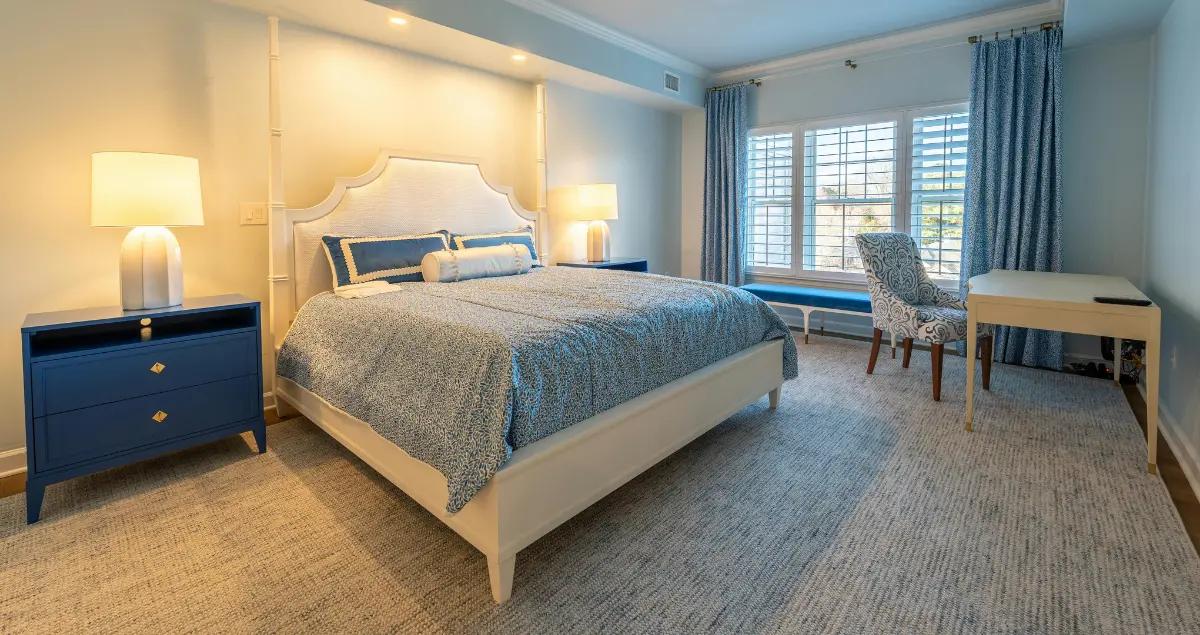
For landlords, renting to military guests offers a unique balance between flexibility and stability. Because most TDY stays fall into the mid-term category, you can often avoid the heavy restrictions associated with short-term rentals. This means fewer regulatory hurdles while still benefiting from higher occupancy rates and longer bookings.
In addition, military tenants are typically reliable and financially secure, with housing expenses backed by government reimbursement systems. This reduces the risk of missed payments and creates a more predictable income stream. If you want to see how successful TDY rentals are structured, take a look at this 2BR bungalow near Little Rock AFB with fenced yard & deck, which is designed specifically for comfort, functionality, and extended stays.
Why TDY Hero Simplifies the Process
Navigating licenses and regulations can feel overwhelming, especially if you’re new to hosting military guests. That’s where TDY Hero comes in. As a platform specifically built for TDY housing, TDY Hero helps connect property owners with qualified military travelers while ensuring compliance with JTR and DTS requirements.
One of the biggest advantages is that TDY Hero structures bookings around government-approved lodging rates, making it easier to stay within allowable limits. There are no hidden fees, and the platform provides clear documentation to support reimbursement. This simplifies the process for both hosts and guests, allowing you to focus on providing a great experience rather than worrying about administrative details.
Understanding Your Licensing Requirements as a Host
At the end of the day, understanding what licenses you need to rent to military guests comes down to knowing your local regulations and how your property is classified. Once you align your rental with typical TDY stay lengths and requirements, the process becomes much more straightforward, allowing you to host confidently while staying fully compliant. In most cases, you’ll need to comply with local rental laws, which may include a business license or rental registration. However, because TDY stays are typically longer, many military rentals fall under mid-term regulations, which are often less restrictive than short-term rules.
By understanding the average length of stay for TDY guests and aligning your property accordingly, you can simplify your licensing requirements while maximizing your rental potential. With the right setup—and support from platforms like TDY Hero—you can confidently host military guests while staying fully compliant and profitable.