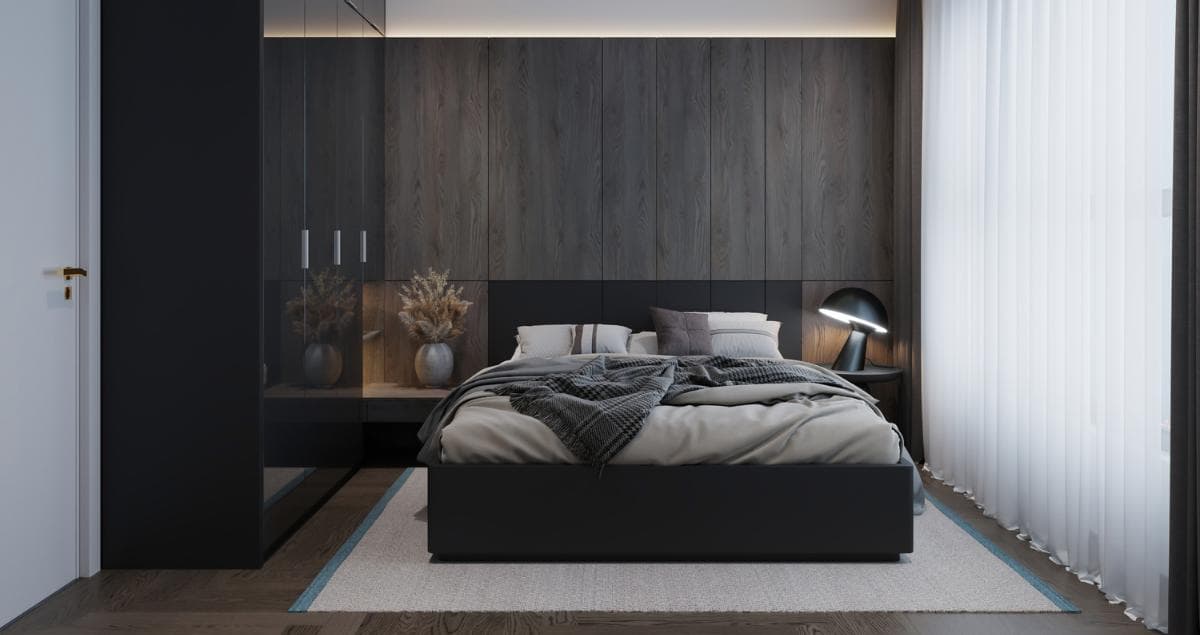


When property owners begin designing or upgrading housing for military travelers, one question that often comes up is how much closet space a TDY rental should have. It may sound like a minor detail at first, but for TDY guests staying anywhere from a few weeks to several months, storage can significantly influence comfort and overall satisfaction. Unlike short vacation stays where suitcases are enough, military renters need practical space for uniforms, gear, and personal belongings that quickly accumulate during longer assignments. This makes storage design a real factor in how functional and livable a rental feels in everyday use.
When considering TDY housing, closet space is not just about size but also usability and layout. Service members often arrive with structured clothing requirements, work equipment, and sometimes family belongings depending on assignment length. If storage is insufficient, it can quickly create clutter and discomfort in the living space. On the other hand, well-planned closets can make even a modest rental feel organized and livable, which is why understanding expectations is important for landlords aiming to attract repeat military tenants.
Why Closet Space Matters in TDY Housing
Closet space plays a much bigger role in TDY rentals than many first-time hosts realize. Military guests are typically on structured assignments with strict daily routines, which means organization is essential for efficiency. Without adequate storage, even a well-furnished property can feel cramped and inconvenient. This is especially true for longer stays where unpacking becomes necessary rather than optional, making storage a core part of livability rather than a luxury feature.
In addition, military renters often travel with uniforms, boots, tactical gear, and seasonal clothing, all of which require separate and accessible storage. If closets are too small or poorly designed, these items end up occupying living areas, reducing comfort. This can negatively affect guest satisfaction and reviews, which directly impacts future bookings. As a result, closet space becomes a subtle but powerful factor in determining whether a TDY rental performs well in competitive markets.
How Much Closet Space Is Actually Enough?
There is no universal measurement for ideal closet space, but TDY rentals generally perform best when each bedroom has a full-sized closet with both hanging and shelving options. A standard reach-in closet may be sufficient for short stays, but longer assignments often require more flexibility. In multi-bedroom rentals, shared storage areas such as hallway closets or linen storage can further improve functionality. These additions help distribute belongings more efficiently across the home.
For extended TDY stays, especially those lasting several weeks or months, a walk-in closet or expanded storage system can significantly improve guest experience. However, even smaller properties can meet expectations if storage is thoughtfully designed. Adjustable shelving, multi-level hanging rods, and storage bins can maximize available space. The goal is not necessarily size alone but how effectively the space supports daily living needs for military renters.
Types of Closet Storage That Work Best for TDY Guests
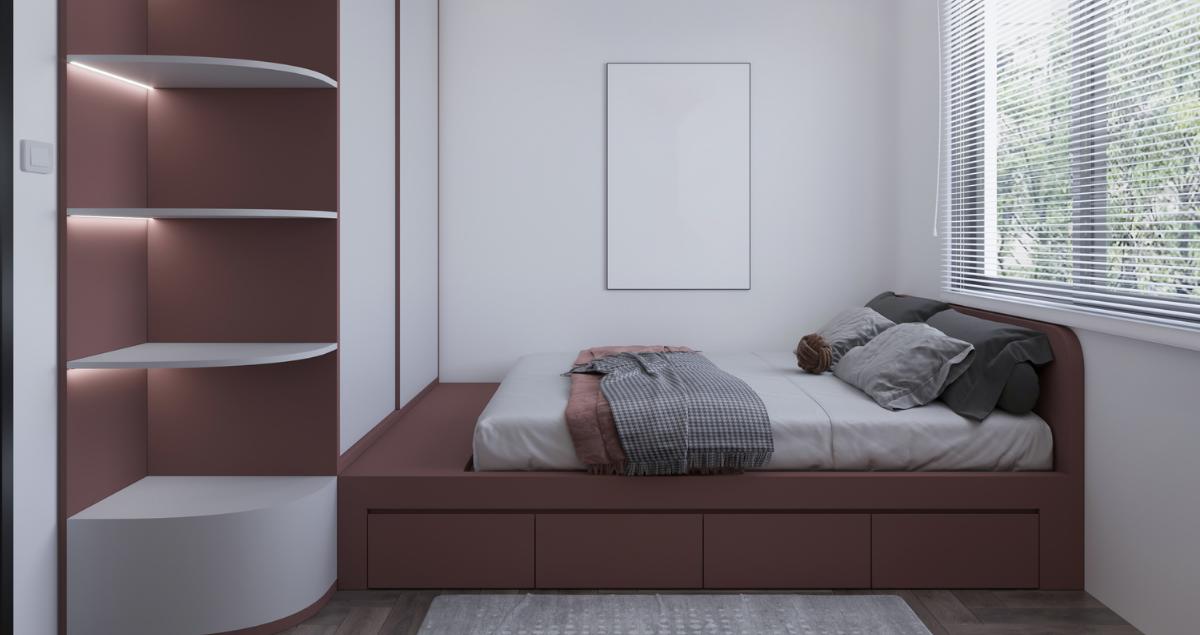
Different types of storage solutions can dramatically improve how a TDY rental functions for military guests. Built-in closets with both upper and lower rods allow for separation of uniforms and casual clothing. Shelving units help organize folded items and personal equipment, reducing clutter in living spaces. When these elements are combined, even smaller closets can feel significantly more spacious and practical for long-term stays.
Freestanding storage options can also be useful in rentals where built-in space is limited. Dressers, storage benches, and modular shelving units provide additional flexibility for guests. These solutions are especially helpful in furnished properties where permanent renovations may not be possible. The key is ensuring that storage options remain durable, functional, and easy to use for rotating military tenants with different needs.
How Bedroom Layout Impacts Closet Needs
Bedroom design and closet space are closely connected, especially in TDY housing where comfort and functionality matter equally. A well-designed bedroom should balance sleeping space with storage accessibility so guests can move freely without feeling restricted. Overcrowded rooms with minimal storage often feel smaller than they are, which can negatively affect overall satisfaction during longer stays. This is why layout planning is just as important as closet size itself.
Closet placement also influences usability, as awkward or obstructed access can reduce practicality even in larger spaces. Ideally, closets should be easily accessible from the bed without disrupting movement in the room. Understanding how guests use the space daily can help property owners make smarter design choices. For additional insight into optimizing bedroom functionality, many hosts refer to resources like best bed setup for TDY guests comfort and space which highlights how sleeping arrangements and storage work together.
Real Property Example: Storage in Action
Looking at real listings helps illustrate how closet space impacts TDY rental success. Well-designed properties often integrate storage seamlessly into the overall layout rather than treating it as an afterthought. This creates a more balanced and functional living environment that supports both short-term and extended military stays. Guests tend to notice these details quickly, especially when transitioning from temporary lodging or hotels.
For example, a spacious 3-bedroom TDY rental with ample storage demonstrates how thoughtful closet planning enhances usability across multiple rooms. Each bedroom benefits from dedicated storage, while additional shared spaces support longer stays with multiple occupants. This type of layout reduces clutter and improves comfort, making the property more appealing to military families and traveling personnel alike.
Maximizing Closet Space in Smaller TDY Rentals
Not every rental has large closets, but smaller properties can still meet TDY expectations with smart design choices. Vertical storage solutions, such as tall shelving units or stacked organizers, help maximize limited space. Using multi-purpose furniture also allows guests to store items without sacrificing living area. These adjustments can make compact rentals feel significantly more functional and organized.
Another effective approach is minimizing unnecessary furnishings that take up valuable space. When closets are limited, reducing bulk furniture in bedrooms can help maintain balance. Providing flexible storage solutions ensures that military guests can still unpack comfortably without feeling restricted. This adaptability often makes smaller properties surprisingly competitive in TDY rental markets.
Creating a Storage-Ready TDY Experience
Closet space alone is not enough; the overall storage experience must feel intuitive and practical for military renters. Clear organization, durable materials, and accessible design all contribute to a positive guest experience. When storage is easy to use, it reduces stress during transitions and allows service members to focus on their assignments. This level of convenience is often what separates average rentals from high-performing TDY properties.
Consistency across rooms is also important, especially in multi-bedroom homes where multiple guests may share the same property. Balanced storage distribution ensures that no single occupant feels limited or overcrowded. This improves harmony within the rental and contributes to better long-term reviews. Over time, these details build a strong reputation among military tenants who frequently relocate.
Understanding how much closet space a TDY rental should have ultimately comes down to balancing practicality, comfort, and efficiency. While there is no one-size-fits-all answer, well-designed storage consistently improves tenant satisfaction and property performance. By focusing on functional layouts, flexible storage solutions, and thoughtful design, property owners can create rentals that meet the real needs of military guests and perform strongly in competitive housing markets.